


10 Ways to Learn Korean Through Self Study
Updated: Apr 27

Learning Korean on your own can feel overwhelming at first, but the right approach makes it both manageable and enjoyable. With consistency and the right tools, self study can be just as effective as a classroom.
1. Build a Strong Foundation with Hangul

A successful Korean learning journey starts with mastering Hangul, the Korean alphabet. Many learners are tempted to skip this step, but doing so often creates confusion later on. Hangul is logical and surprisingly quick to learn, often taking just a few days of focused study. By understanding how each character sounds and how syllables are formed, you gain the ability to read and pronounce words accurately. LingoClass beginner resources and structured video lessons can guide you through this process, ensuring that your foundation is solid before moving on to more complex topics.
2. Create a Consistent and Realistic Study Routine
Consistency matters far more than intensity. Studying for short periods every day is much more effective than long, irregular sessions. Even fifteen to twenty minutes daily can lead to noticeable improvement over time. A balanced routine might include reviewing vocabulary, listening to audio, and practicing sentence formation. LingoClass helps simplify this process with guided lesson paths, and their free online Korean level test can help you understand your starting point and measure your progress as you go.
3. Immerse Yourself Through Podcasts and Audio Content

Listening is one of the most powerful tools for language acquisition. Korean podcasts designed for learners introduce you to natural pronunciation, rhythm, and commonly used phrases.
Start with slower, beginner-friendly content, then gradually move to more natural speech. Even passive listening during daily activities such as walking or commuting can be valuable. To maximise results, combine passive listening with active practice by repeating phrases aloud and mimicking intonation.
Recommended Channels:
1. KoreanClass101

One of the most popular podcasts for learners at all levels. Lessons are short, structured, and combine grammar, vocabulary, and cultural insights, making it ideal for beginners building a foundation.
2. Talk To Me In Korean (TTMIK)
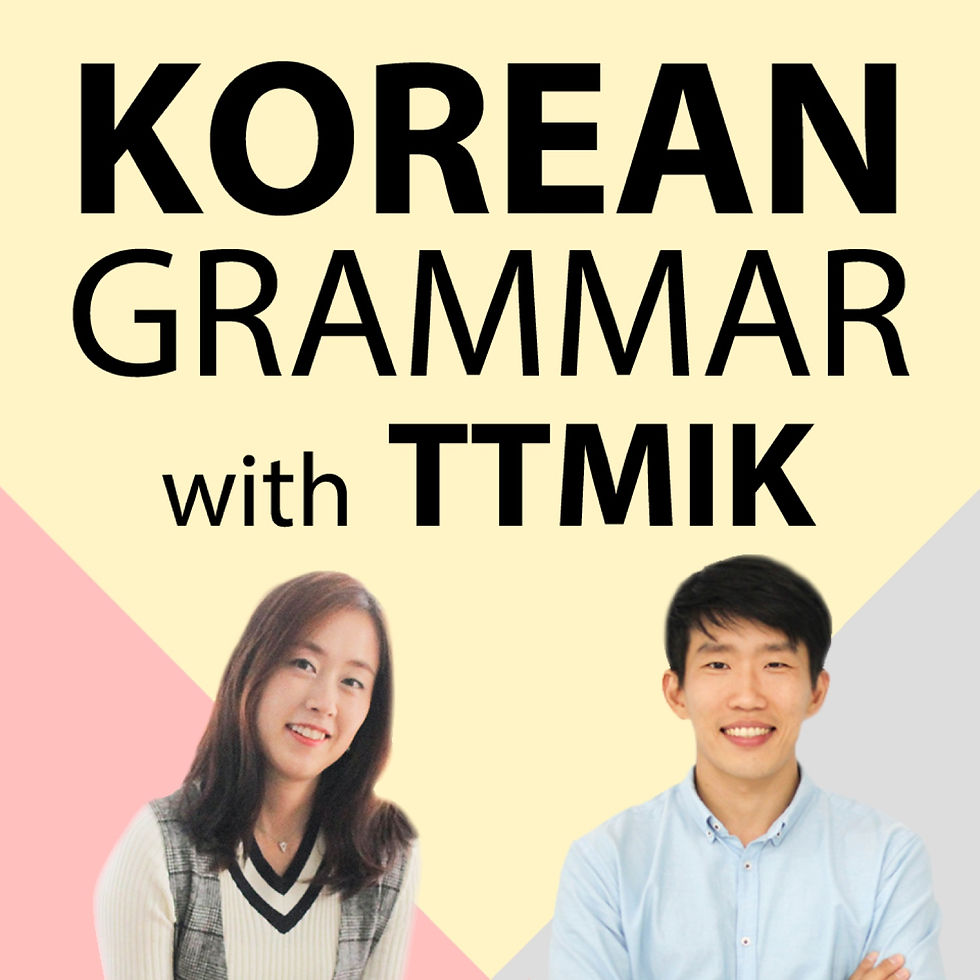
A fan favourite with clear explanations and practical phrases. It is especially strong for beginners who want step by step lessons and real life expressions.
3. Essential Korean

Great for pronunciation and slow, guided explanations. The host speaks clearly and reinforces learning with practice questions, which helps beginners gain confidence. Apple Podcast Spotify
4. Use YouTube as a Structured Learning Tool
YouTube offers a wealth of Korean learning content, but it is important to use it strategically. Instead of watching random videos, curate playlists that align with your level and goals. Focus on lessons that explain grammar clearly and provide real examples. Pause frequently to take notes and repeat sentences. When combined with LingoClass structured lessons, YouTube becomes a powerful supplement rather than a distraction, helping you reinforce and expand your knowledge.
Recommended Channels:
Learn Korean with KoreanClass101.com
Real Korean with Morning
5. Focus on Phrases, Not Just Vocabulary
Memorising individual words can only take you so far. Korean is a contextual language, and meaning often depends on how words are used within sentences. Learning full phrases helps you understand natural usage and improves your ability to communicate effectively. Practice common expressions used in daily life, such as greetings and simple requests. Writing short journal entries using these phrases can further reinforce your understanding and help you build confidence in sentence construction.
6. Start Speaking Early and Often

Speaking is often the most intimidating part of learning Korean, especially for self learners. However, delaying speaking practice can slow your progress significantly. Make it a habit to speak out loud from the beginning, even if you are just repeating words or simple sentences. Recording yourself can help you identify areas for improvement.
Apps like Tandem make it easier to start speaking with real people. You can connect with native Korean speakers and practice through text, voice notes, or calls, which helps you build confidence in natural conversations.
If speaking with others feels intimidating at first, tools like Koko AI are a great alternative. You can practice conversations anytime, repeat scenarios, and make mistakes without pressure, helping you gain confidence before moving to real interactions.
When you need clearer feedback, working with an online teacher through platforms like italki and others can add a more guided step to your speaking practice. Unlike casual exchanges or AI conversation tools, a teacher can correct pronunciation as you speak, explain sentence endings more clearly, and help you practise everyday situations such as introductions, ordering food, or asking for directions in real time while still fitting around your own study routine.
The key is to practice consistently in a low pressure way. Whether it is with real people or AI, speaking regularly will help you improve faster and feel more comfortable using Korean in everyday situations.
7. Use Spaced Repetition to Retain Vocabulary
Remembering vocabulary requires more than simple repetition. Spaced repetition systems help you review words at optimal intervals, improving long term retention.

Instead of trying to memorise large lists, focus on smaller groups of words and revisit them regularly. Combining digital flashcards with handwritten notes can further strengthen memory, as writing engages your brain in a different way and reinforces learning.
8. Connect with Korean Culture

Language learning becomes more meaningful when it is tied to culture. Watching Korean dramas, listening to music, or exploring Korean cuisine can make your study experience more engaging. Cultural exposure helps you understand context, tone, and social nuances that are difficult to learn from textbooks alone. Choose content that genuinely interests you, as this will keep you motivated and make learning feel less like a chore.
9. Track Your Progress and Adjust Your Strategy

Without clear milestones, self study can feel directionless. Regularly assessing your progress helps you stay focused and motivated. LingoClass offers a free online Korean test that provides valuable insights into your strengths and areas for improvement. Use these results to refine your study plan, dedicating more time to areas that need attention while continuing to build on what you already know.
10. Stay Patient and Enjoy the Process
Korean has unique grammar structures and honorific systems that can feel unfamiliar at first. Progress may seem slow at times, but consistency will always pay off.
Celebrate small achievements, such as understanding a sentence in a podcast or forming your own phrase correctly. Self study gives you the flexibility to learn at your own pace, so take advantage of that freedom and explore methods that work best for you.

Learning Korean independently is a journey that rewards persistence and curiosity. With the right strategies and support from LingoClass, you can turn daily practice into real progress and lasting confidence.
